Why I View My ADHD & Dyslexia As Super Powers Gallery Why I View My ADHD & Dyslexia As Super Powers Culture Why I View My ADHD & Dyslexia As Super PowersGuy Zwick2024-02-12T11:06:01-07:00Culture|
POV: We Have to Earn Every Opportunity We Get Gallery POV: We Have to Earn Every Opportunity We Get Highway 85, Thought Leadership POV: We Have to Earn Every Opportunity We GetGuy Zwick2024-02-12T11:05:03-07:00Highway 85, Thought Leadership|
Design Lives At The Intersection Of Art & Engineering Gallery Design Lives At The Intersection Of Art & Engineering Design, Trade Show Booths, Trade Show Strategy, Tradeshow Business Design Lives At The Intersection Of Art & EngineeringGuy Zwick2024-02-06T12:59:45-07:00Design, Trade Show Booths, Trade Show Strategy, Tradeshow Business|
Never, Ever, Ever Stop Being Curious Gallery Never, Ever, Ever Stop Being Curious Thought Leadership Never, Ever, Ever Stop Being CuriousGuy Zwick2024-01-30T16:58:48-07:00Thought Leadership|
Building A Legacy Every Day In Our Business Gallery Building A Legacy Every Day In Our Business Thought Leadership Building A Legacy Every Day In Our BusinessGuy Zwick2024-02-12T11:11:08-07:00Thought Leadership|
Collaborative Design Requires Different Shades of Creativity Gallery Collaborative Design Requires Different Shades of Creativity Culture, Design, Graphics, Highway 85, Trade Show Booths Collaborative Design Requires Different Shades of CreativityGuy Zwick2023-12-19T13:15:37-07:00Culture, Design, Graphics, Highway 85, Trade Show Booths|
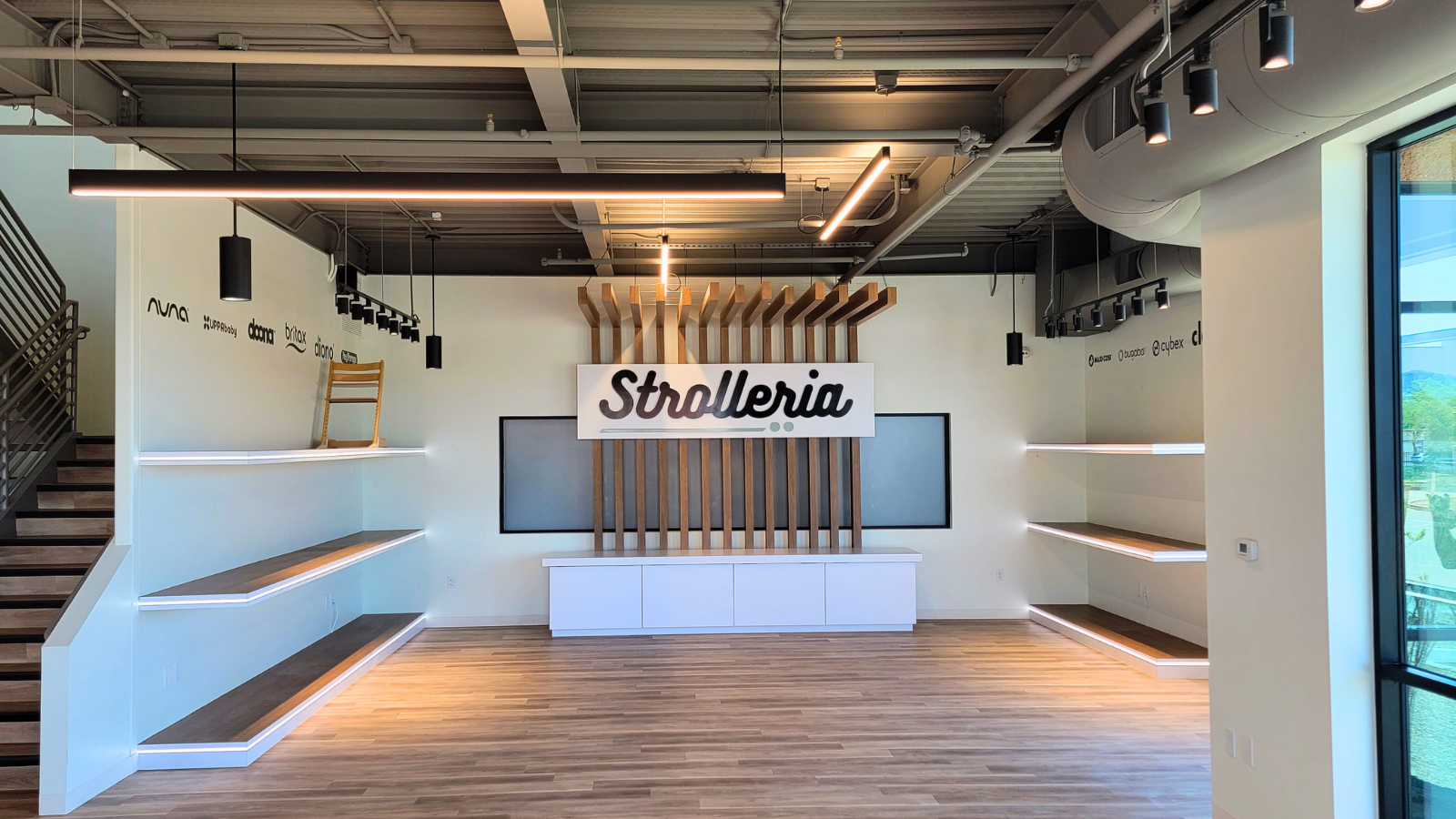
Strolleria Partners With Highway 85 Creative to Elevate New Store’s Interior & Customer Experience Gallery Strolleria Partners With Highway 85 Creative to Elevate New Store’s Interior & Customer Experience Case Study, Highway 85, Interiors Strolleria Partners With Highway 85 Creative to Elevate New Store’s Interior & Customer ExperienceGuy Zwick2023-09-18T16:11:36-07:00Case Study, Highway 85, Interiors|
The Right Way to Fail in Business Gallery The Right Way to Fail in Business Tradeshow Business The Right Way to Fail in BusinessGuy Zwick2023-08-03T08:58:19-07:00Tradeshow Business|
What Everyone Gets Wrong About Reducing Their Trade Show Budget Gallery What Everyone Gets Wrong About Reducing Their Trade Show Budget Event Marketing, Trade Show Strategy What Everyone Gets Wrong About Reducing Their Trade Show BudgetJason Myers2023-07-10T16:44:41-07:00Event Marketing, Trade Show Strategy|
The Costs of Sending the Wrong People to Trade Shows Gallery The Costs of Sending the Wrong People to Trade Shows Trade Show Strategy The Costs of Sending the Wrong People to Trade ShowsGuy Zwick2023-06-29T08:30:12-07:00Trade Show Strategy|
Stop Making Trade Show Conversations About Budget; Focus On This Instead Gallery Stop Making Trade Show Conversations About Budget; Focus On This Instead Event Marketing, Trade Show Strategy Stop Making Trade Show Conversations About Budget; Focus On This InsteadGuy Zwick2023-07-09T14:16:31-07:00Event Marketing, Trade Show Strategy|
Are You Sending the Right People to Trade Shows? Gallery Are You Sending the Right People to Trade Shows? Trade Show Booths, Trade Show Strategy Are You Sending the Right People to Trade Shows?Guy Zwick2023-07-03T09:50:43-07:00Trade Show Booths, Trade Show Strategy|